Altitude Variations Drive Shifts in Energy Conservation Tactics During Extended Football and Tennis Events
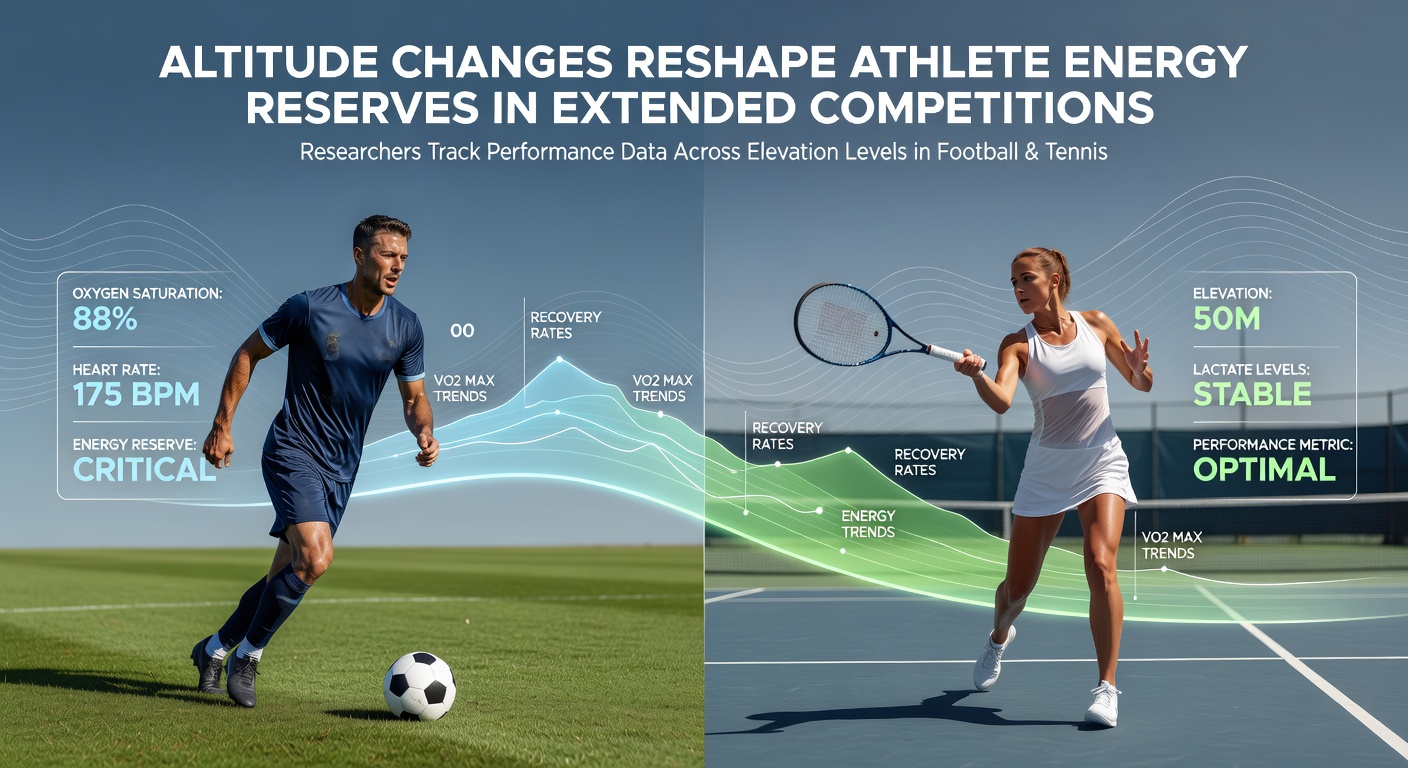
Altitude variations force athletes to adjust how they allocate energy stores across long competitions, and researchers now collect detailed performance metrics from matches played at multiple elevation points in football and tennis. Lower oxygen availability at height prompts immediate physiological responses that include elevated heart rates and accelerated glycogen use, which in turn shape pacing decisions throughout extended play. Studies conducted across venues ranging from sea-level stadiums to sites above 2,500 meters document these adjustments in real time through wearable sensors and post-match analysis.
Physiological Responses at Different Elevations
Football matches staged in highland locations such as La Paz or Mexico City reveal consistent patterns where players cover reduced total distances in the second half compared with sea-level fixtures, while tennis tournaments held in Bogota or Johannesburg show extended rally durations accompanied by slower movement speeds after the first set. Data gathered by sports science teams indicate that hemoglobin saturation drops within minutes of exposure, prompting athletes to modify stride length and stroke frequency to preserve reserves for later stages. In May 2026, monitoring programs expanded to include junior development events at intermediate altitudes between 1,000 and 1,800 meters, allowing analysts to map gradual acclimatization curves across age groups.
Data Collection Methods Across Venues
Researchers employ GPS units, heart-rate monitors, and blood-lactate sampling to build comparative datasets from competitions at contrasting elevations. Football federations in South America and tennis governing bodies in South Africa coordinate these efforts, sharing anonymized player profiles that highlight how elite competitors alter work-to-rest ratios when oxygen partial pressure declines. One ongoing project tracks elite squads that travel between coastal training bases and mountain venues within a single season, recording recovery intervals and hydration markers that correlate with elevation changes. Observers note that teams arriving with only 48 hours of acclimatization display steeper performance declines after the 60-minute mark in football, whereas those with seven or more days show more stable energy distribution across full matches.
Performance Patterns in Football Matches
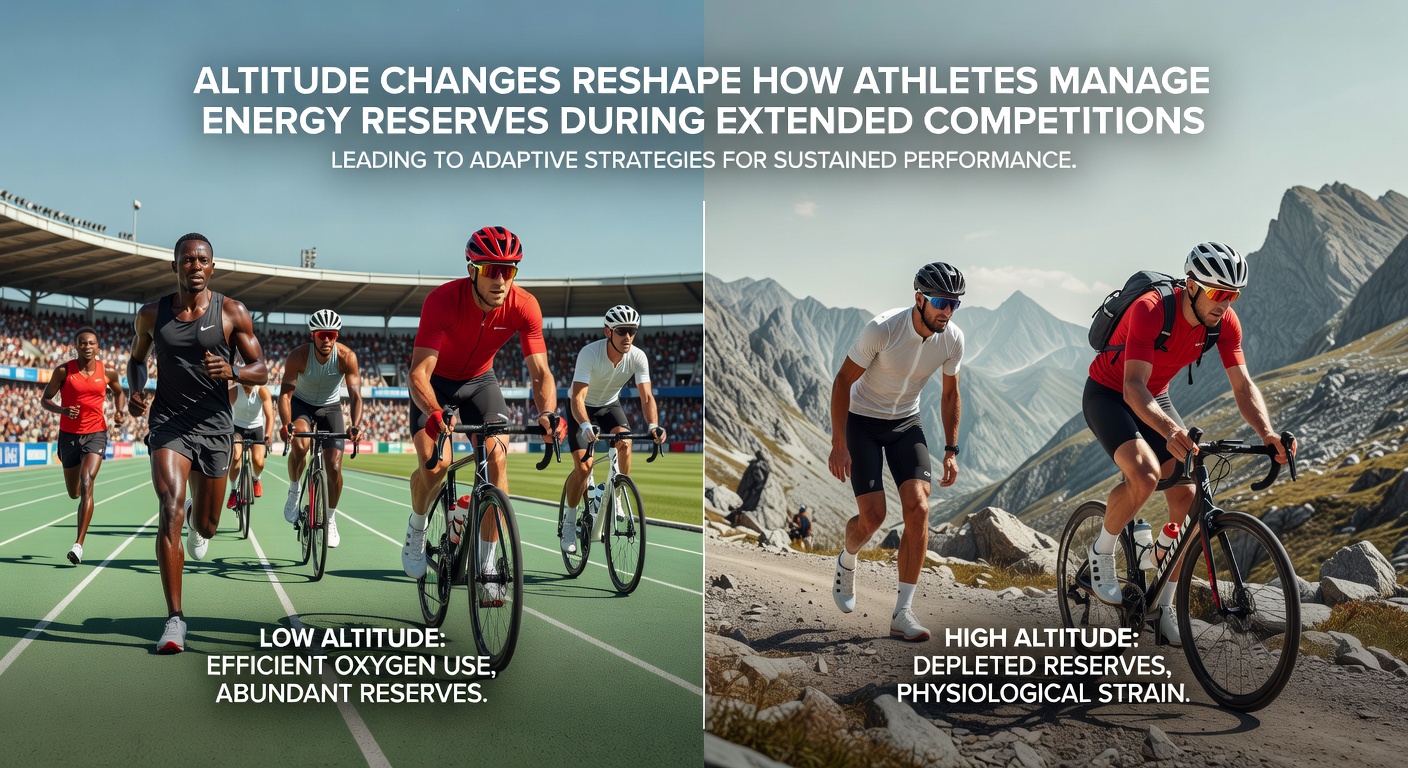
Across multiple seasons, match statistics compiled from Andean stadiums demonstrate that high-pressing teams reduce intensity earlier when playing above 2,000 meters, shifting toward zonal containment strategies that conserve sprint capacity for counter-attacks. Midfielders in particular exhibit measurable reductions in high-speed running after the 75th minute, while defenders maintain closer average distances to opponents by relying on positioning rather than repeated recovery sprints. Analysts cross-reference these trends with environmental logs that record temperature, humidity, and barometric pressure to isolate altitude as the primary variable influencing energy expenditure curves.
Adjustments Observed in Tennis Tournaments
Tennis events at altitude produce distinct rally-length distributions, with baseline exchanges lengthening because reduced ball speed allows more time for recovery between shots. Serve velocities decline modestly after the opening set, and players extend between-point routines to manage breathing rates. Data from tournaments held in 2025 and early 2026 show that competitors who incorporate altitude-specific interval training prior to arrival maintain higher first-serve percentages into deciding sets compared with those who train exclusively at sea level. Tournament organizers now publish elevation-specific preparation guidelines that include recommended arrival windows and modified practice schedules.
Training and Preparation Protocols
Coaching staffs integrate simulated altitude environments through hypoxic tents and staged elevation camps to prepare athletes for upcoming fixtures. These methods allow gradual increases in red-blood-cell mass while minimizing acute mountain-sickness symptoms. Football clubs competing in continental tournaments schedule short acclimatization blocks at intermediate sites before final legs at extreme elevations, and tennis players competing in multi-week South American swings incorporate recovery days at lower venues between highland stops. Performance databases now include pre- and post-acclimatization benchmarks that help medical teams predict individual tolerance thresholds.
Conclusion
Continued monitoring across football and tennis venues at varying elevations supplies expanding datasets that clarify how oxygen availability reshapes energy-management decisions during prolonged competition. As measurement technologies advance and more competitions adopt standardized tracking protocols, researchers gain clearer longitudinal views of adaptation timelines and performance thresholds. The information gathered through these programs supports evidence-based scheduling and preparation practices that account for the distinct demands imposed by different altitude levels.