Beyond the Starting Gate: Analyzing Mid-Race Position Changes in Harness Racing for Value Identification
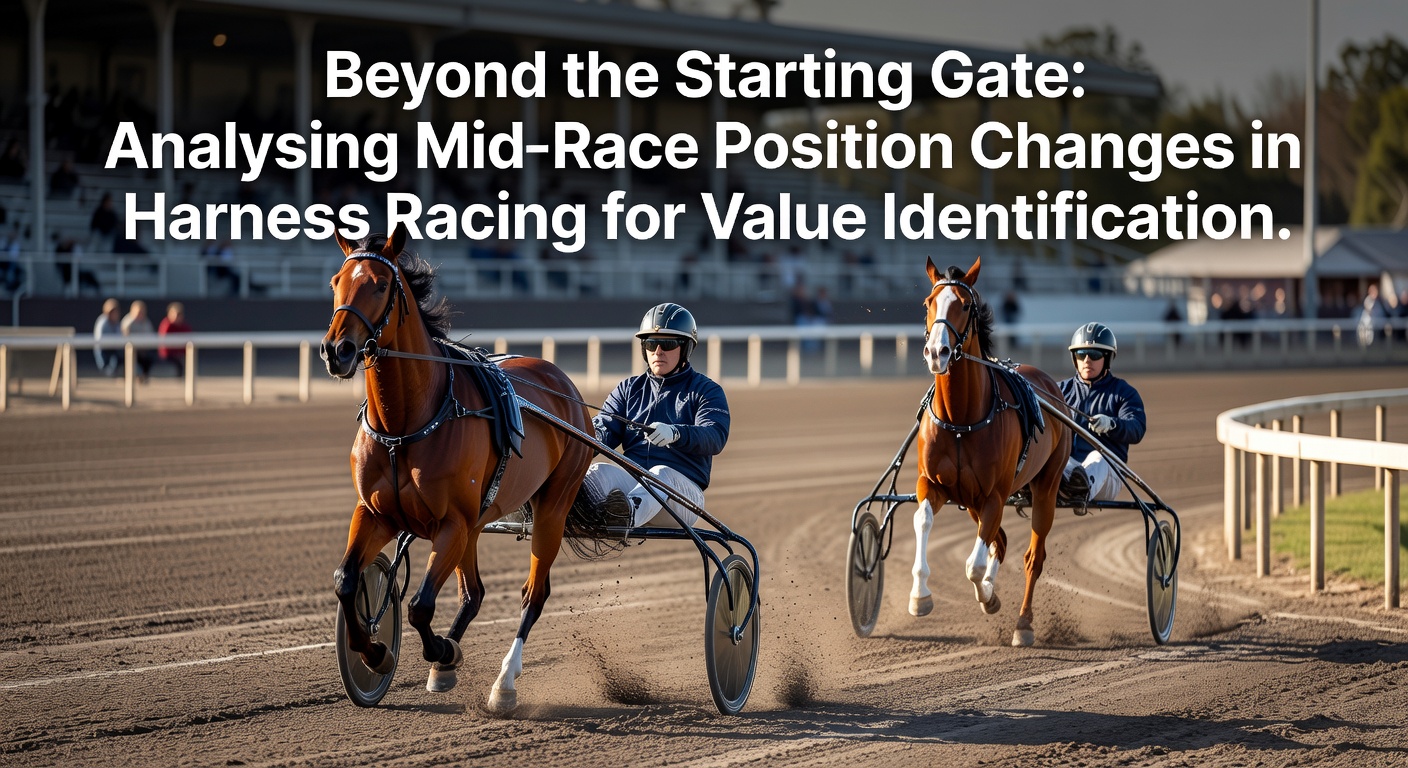
Data compiled across multiple North American tracks shows that horses altering their positions between the first and second quarters often produce betting value when those moves deviate from pre-race expectations, and observers note these patterns hold steady through seasonal meets including events tracked in May 2026. Harness racing differs from flat racing because drivers control pace directly through sulky positioning, which creates measurable shifts that statistical models can capture for identification purposes.
Core Mechanics of Position Tracking in Harness Events
Position changes register at official timing points located at the quarter-mile and half-mile marks where judges record exact placements relative to the leader, and these markers allow analysts to calculate movement vectors that reflect driver intent rather than random drift. Research from the United States Trotting Association indicates that horses moving forward two or more positions in the second quarter outperform their implied odds by an average margin when the early pace exceeds sectional norms established in prior races at the same venue.
Track surfaces and rail biases further influence how these mid-race adjustments translate into final outcomes, yet consistent data sets from Canadian circuits demonstrate that inside-post horses gaining ground on the backstretch maintain higher strike rates in subsequent sprints when compared against those stuck wide throughout the same segment. Such measurements become actionable once integrated with pace figures that account for wind conditions and temperature variations recorded on race day.
Data Patterns Emerging from Recent Meets
Statistical reviews covering 2025 and early 2026 meetings reveal that mid-race movers who advance from fifth or sixth place at the first quarter to second or third at the half-mile deliver positive expected value in exacta and trifecta pools when the favorite has already expended early energy to secure the lead. Australian studies published through Racing Victoria confirm similar tendencies on their trotting ovals where sectional timing systems log every positional swap in real time for post-race evaluation.
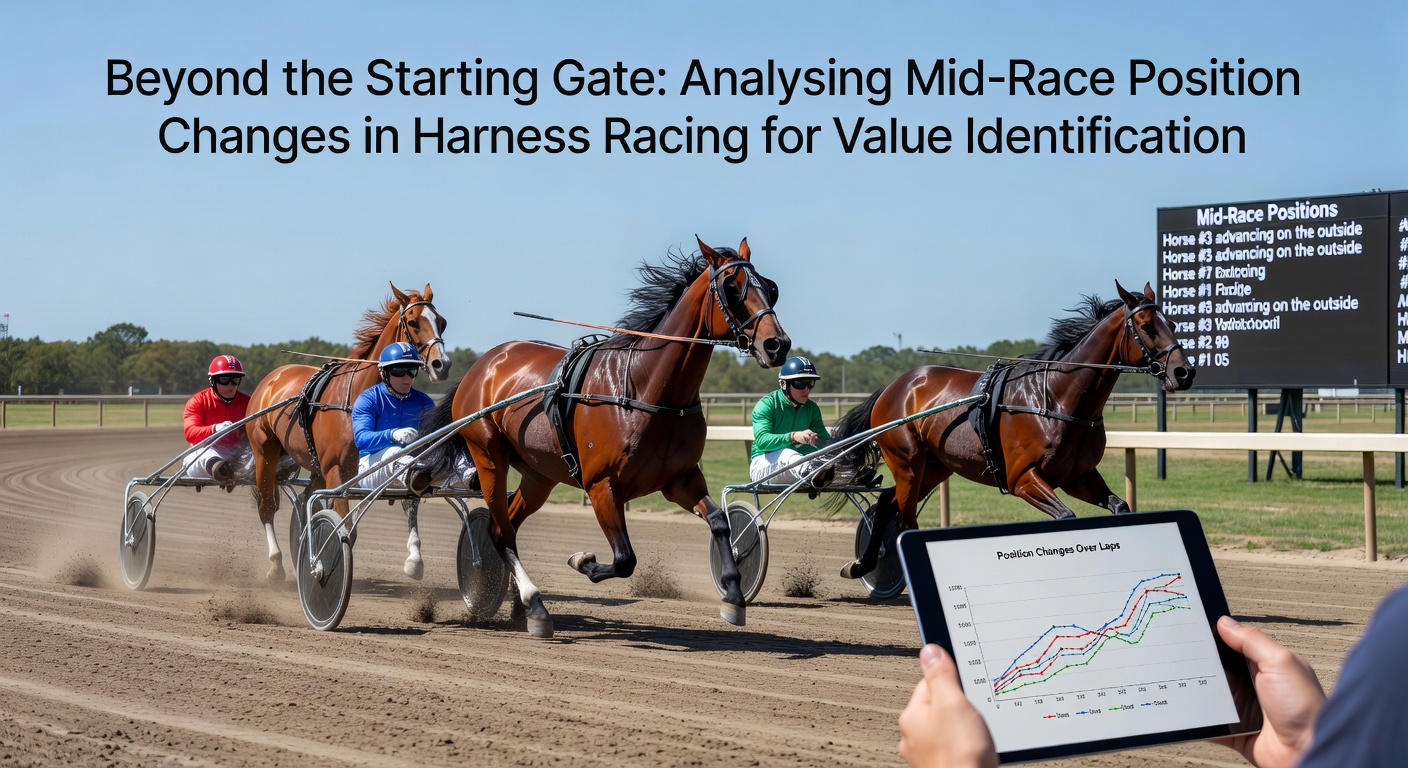
One dataset from a May 2026 card at a major Midwest oval highlighted three horses that each improved two spots between quarters and subsequently paid above market odds in the win pool despite starting at 7-1 or higher in the morning line. These instances aligned with earlier research showing that such movements often signal either a driver conserving energy early or a horse responding to a favorable trip that handicappers can project forward once the pattern repeats across comparable race classes.
Integrating Position Metrics into Betting Frameworks
Value identification relies on comparing actual mid-race placement against projected placement derived from past performance lines and driver statistics, and organizations such as Harness Racing New South Wales supply public databases that list every horse's sectional position history for precisely this type of cross-referencing. Bettors who overlay these figures with live odds movements can isolate overlays when the market has not yet adjusted for the emerging trip advantage.
Software platforms used by professional syndicates now incorporate real-time position feeds that trigger alerts once a horse exceeds its historical average forward movement by a defined threshold, and reports from European trotting federations note that these alerts have produced measurable edges in both straight and exotic wagers when applied consistently across European and North American simulcast signals. The key remains filtering signals by class level because lower-tier claimers exhibit greater variance in positional reliability than conditioned stakes events.
Case Examples from Documented Races
Take one documented race from a 2025 autumn meet where a horse starting from post seven advanced from sixth at the quarter to second at the half before drawing off by four lengths at the wire, and post-race analysis attributed the margin directly to the mid-race repositioning that allowed the driver to avoid traffic while the early leader tired. Similar sequences appear in multiple jurisdictions where timing data shows the same forward surge correlating with improved final margins once the pace collapses after the three-quarter pole.
Those reviewing these cases observe that the value often materializes not in the win market alone but in place and show pools where the horse's true probability exceeds the payout implied by its starting price, and regulatory filings from several state commissions confirm the transparency of such sectional data for public use in handicapping models.
Conclusion
Position-change analysis supplies a concrete layer of information that complements traditional speed and class evaluations in harness racing, and continued collection of sectional metrics across expanding simulcast networks supports ongoing refinement of identification methods. Data availability through established industry bodies enables systematic application without reliance on subjective visual assessment alone.