Elevation's Role in Shaping Soccer Matches and Roster Decisions
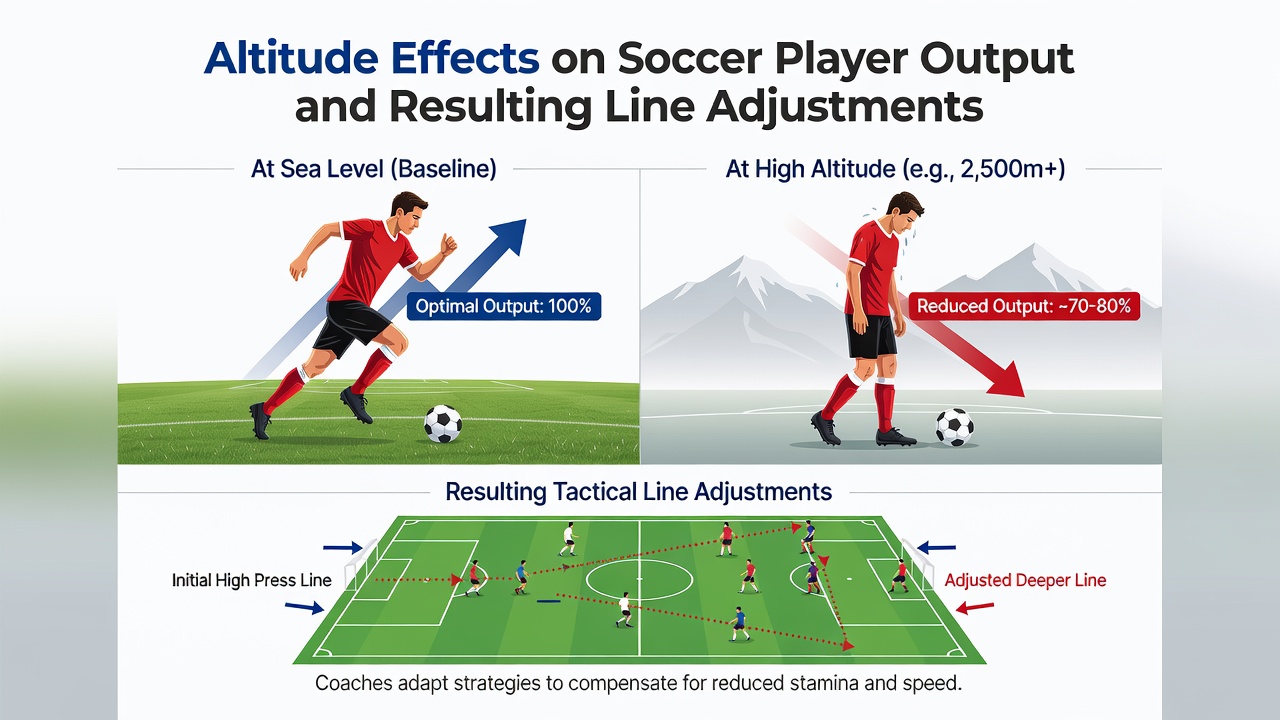
High altitude environments create distinct physiological demands on soccer players, and data from multiple international competitions shows measurable drops in output metrics such as total distance covered, sprint frequency, and recovery intervals between high-intensity efforts. Venues situated above 2,000 meters, including those in Bolivia and Mexico, force the body to adapt to lower oxygen availability, which researchers link directly to altered work rates during matches lasting the full ninety minutes.
Physiological Responses at Elevation
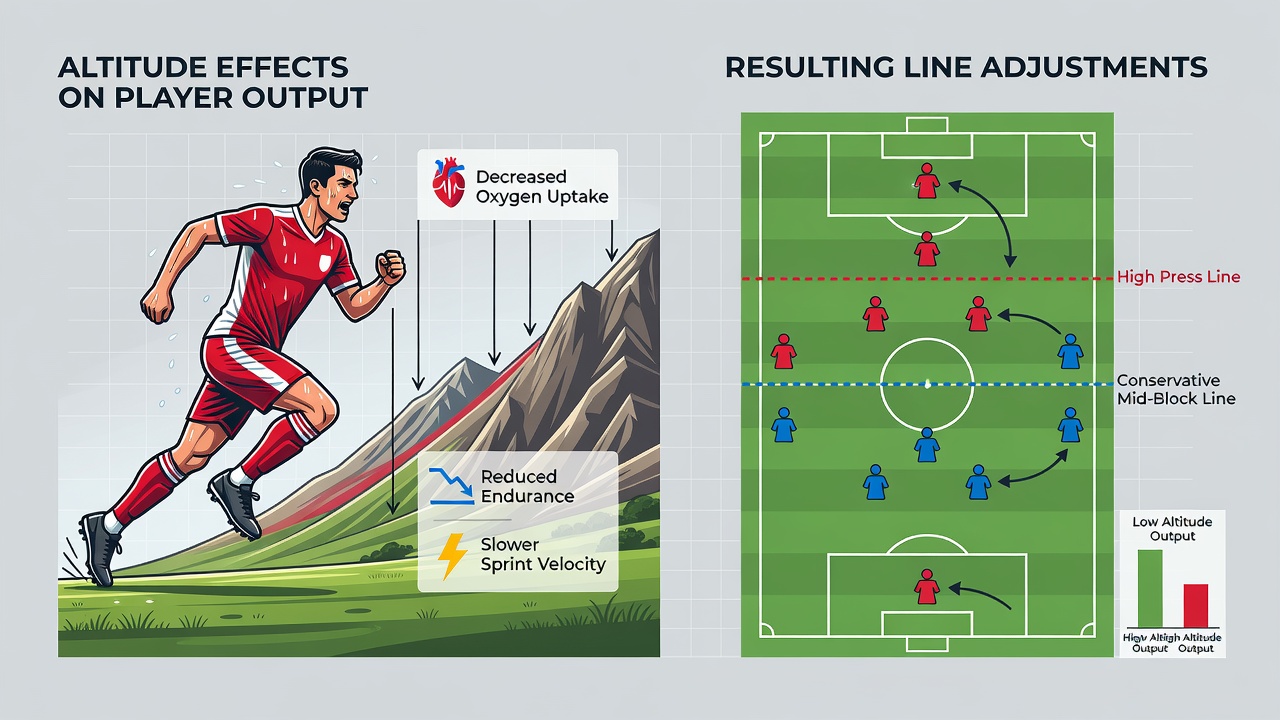
Studies conducted by sports science teams at institutions across South America and North America indicate that players experience reduced maximal oxygen uptake when competing above 1,500 meters, with the effect becoming more pronounced as matches progress into the second half. Hemoglobin saturation levels decline faster under these conditions, leading to quicker onset of fatigue even among elite athletes who train regularly at sea level. One analysis of Copa Libertadores fixtures revealed that visiting teams logged approximately 8 to 12 percent fewer high-speed runs compared to their home counterparts when games took place at elevations exceeding 2,500 meters.
Coaches respond to these documented changes by rotating midfield personnel earlier in contests, often introducing substitutes around the sixty-minute mark to maintain pressing intensity. Data from CONMEBOL events between 2023 and 2025 demonstrates that teams employing three or more substitutions before the seventy-fifth minute preserved higher average velocities in the closing stages than those who delayed changes.
Performance Data Across Recent Seasons
Match tracking systems used in leagues such as Liga MX and the Bolivian Primera División record consistent patterns where home sides at altitude maintain possession longer and generate more shots on target in the final twenty minutes. Researchers tracking heart rate variability note elevated recovery times between bouts of acceleration, which forces tactical adjustments including deeper defensive lines and reduced high pressing triggers. In June 2026, several South American qualifiers for upcoming tournaments will again test these dynamics at stadiums like Estadio Hernando Siles in La Paz, where historical figures show visiting teams averaging fewer than 1.1 goals per game across the past decade.
Strategic Line Adjustments by Coaching Staff
Teams prepare for altitude by altering starting formations, frequently shifting to systems with additional central midfielders to control tempo and limit transitions. Observers note that managers prioritize players with prior exposure to similar conditions or those demonstrating superior aerobic capacity in pre-match testing. Training camps held at intermediate elevations, around 1,800 meters, allow squads to acclimatize partially before descending to sea level or ascending further, and evidence from national team programs indicates this approach reduces the initial performance dip observed in the opening thirty minutes.
Opposing coaches counter these home advantages through specific personnel selections, favoring technically proficient passers who can retain the ball under pressure rather than relying solely on athletic duels. Video analysis combined with GPS data has prompted several clubs to modify warm-up protocols, incorporating breathing exercises and shorter, more frequent recovery periods to mitigate early lactate accumulation.
League-Wide Trends and Preparation Methods
Across multiple seasons, clubs competing regularly at elevation have developed standardized acclimatization windows of five to seven days, during which training intensity gradually increases while monitoring blood oxygen saturation. Figures released by South American football federations show that teams following these structured protocols record fewer instances of cramping and maintain higher pass completion rates in the latter stages compared to those arriving closer to match day.
International bodies such as FIFA have referenced altitude considerations in competition guidelines, prompting some federations to schedule additional recovery days between fixtures when travel involves significant elevation changes. A report from the Australian Institute of Sport highlights comparable effects in other endurance sports, underscoring the need for sport-specific data collection in soccer environments where repeated sprints define match outcomes.
Conclusion
Altitude continues to influence soccer through measurable reductions in player output and corresponding shifts in roster deployment and tactical setups. Teams that integrate physiological monitoring with targeted preparation maintain competitive edges at elevated venues, while data from ongoing competitions provides clearer benchmarks for future adjustments. As fixtures in June 2026 approach, these patterns will again shape how squads manage resources across demanding schedules.