Fixture Congestion Effects on Value Hunting Across Football and Basketball Markets

Football and basketball schedules create overlapping periods of intense fixture congestion that reshape how bettors approach value identification in combined markets, with data from multiple leagues showing measurable shifts in performance metrics during such stretches. Observers tracking these patterns note that teams navigating back-to-back games or short recovery windows often produce outcomes that diverge from pre-season projections, opening windows for those scanning combined football and basketball betting lines. Research from European club competitions and North American professional leagues indicates these overload periods occur most frequently between March and June, with June 2026 expected to feature additional strain due to overlapping domestic league finales and international preparation cycles.
Defining Fixture Overload in Dual-Sport Contexts
Fixture overload emerges when teams face compressed calendars that limit rest, training, and tactical preparation, a situation documented across major football leagues and NBA schedules alike. Those who analyze scheduling data find that football clubs participating in domestic cups alongside European ties encounter similar pressures to basketball franchises balancing regular-season road trips with playoff pushes, leading to fatigue indicators such as reduced shooting efficiency and defensive lapses. Studies compiled by sports analytics groups reveal average player workload increases of 15 to 20 percent during peak congestion months, figures that directly influence line movements in markets combining soccer goal totals with basketball point spreads.
Performance Data Patterns During Congested Periods
Statistical tracking from the 2024-2025 seasons onward demonstrates clear correlations between fixture density and key performance variables, including possession retention in football and rebound percentages in basketball. Analysts reviewing league-wide datasets observe that teams playing three matches within seven days post lower average expected goals in football fixtures while NBA squads show declines in fourth-quarter scoring efficiency during similar stretches. These trends become particularly relevant when constructing combined bets that pair football under totals with basketball player prop unders, as the data supports consistent directional movements rather than random variance.
Combined Market Strategies for Overload Windows
Bettors examining cross-sport value often integrate fixture calendars from both codes to time entries around known congestion clusters, using tools that aggregate recovery metrics and travel distances. One approach involves cross-referencing UEFA club competition calendars with NBA Eastern Conference travel logs to isolate dates where multiple high-workload teams converge on undervalued lines. Evidence from industry reports shows that such layered analysis yields edges when markets price teams based on season-long averages instead of short-term fatigue signals, especially in accumulator formats linking football draw outcomes with basketball totals.
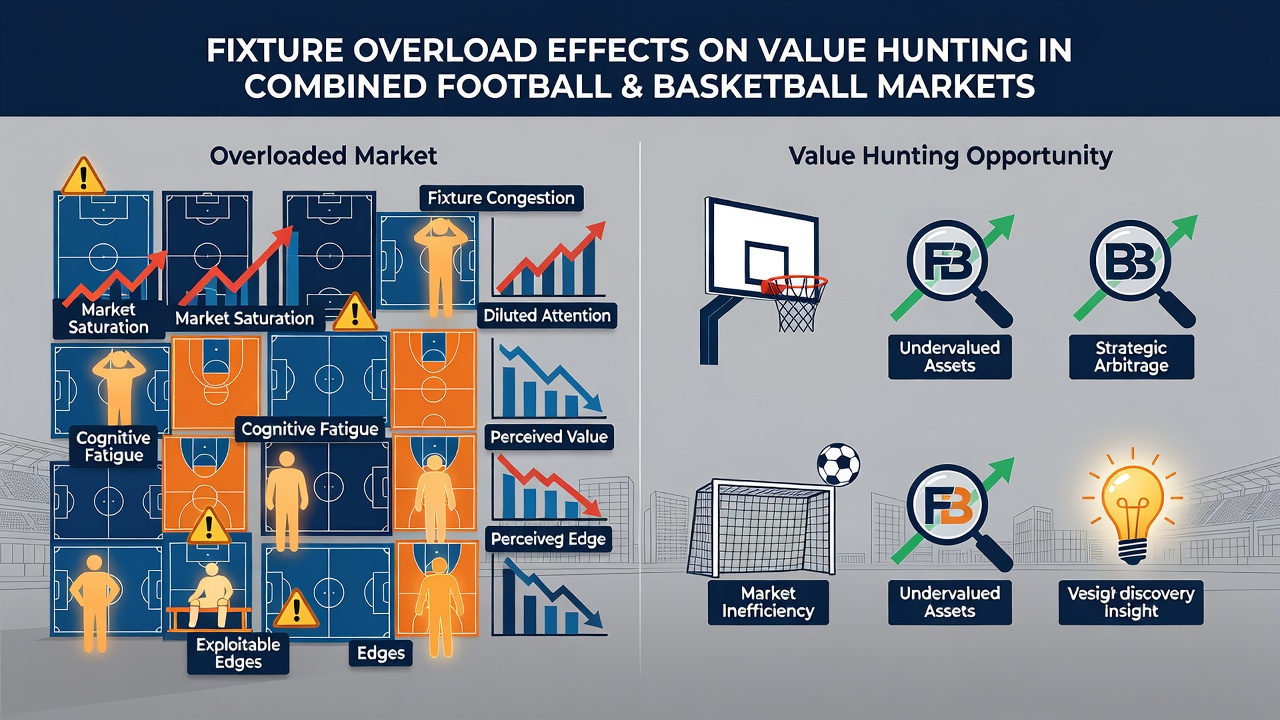
June 2026 schedules already signal heightened overlap risks, with football leagues entering final matchweeks while basketball organizations finalize playoff rotations, creating simultaneous pressure points that affect both sports' betting liquidity. Those monitoring early line releases note that oddsmakers initially undervalue these overlaps until public betting volume forces adjustments, creating temporary mispricings that reward rapid identification. Research compiled by academic sports science departments further supports monitoring heart-rate recovery data and sleep metrics as leading indicators for performance decay, information increasingly incorporated into professional betting models.
Regional Scheduling Variations and Their Market Implications
European football calendars differ markedly from North American basketball structures in how congestion manifests, with continental competitions adding midweek fixtures that domestic leagues rarely replicate. Data compiled by the European Professional Football Leagues organization highlights that clubs in top-five leagues average 1.8 additional matches per month during spring periods compared to their North American counterparts, producing distinct value signatures when paired with NBA back-to-back games. Observers tracking these divergences find opportunities in combined markets that exploit the timing mismatch between European Thursday night fixtures and NBA Friday doubleheaders.
Travel demands compound the issue in both sports, as basketball teams crossing multiple time zones encounter recovery challenges similar to football sides returning from distant European away legs. Government-linked gaming reports from Canadian provincial regulators document elevated betting volumes on unders during such windows, reflecting bettor recognition of fatigue patterns without requiring subjective interpretation. These regional differences become actionable when constructing multi-sport bets that align congested football sides with similarly burdened basketball rosters.
Conclusion
Fixture overload continues to generate identifiable value pockets across combined football and basketball markets through measurable performance shifts that persist across multiple seasons. Those applying structured calendar analysis alongside recovery data consistently locate edges that standard pricing models overlook during peak congestion phases. As June 2026 approaches with its own scheduling demands, the patterns established in prior cycles offer repeatable frameworks for identifying mispriced lines without reliance on narrative-driven assumptions.