Offseason Roster Tweaks Quietly Altering Early Season Lines in Basketball and Soccer
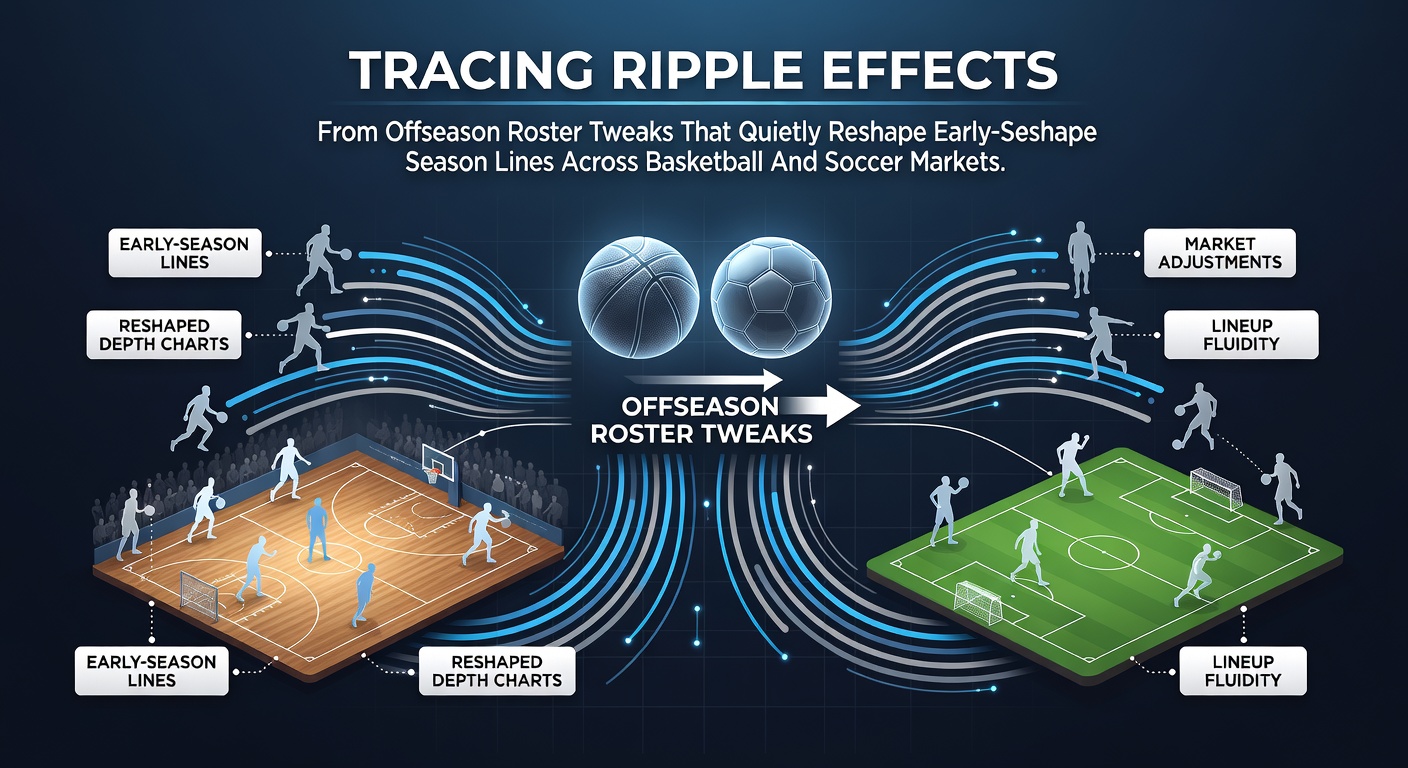
Offseason roster adjustments in professional basketball and soccer create measurable shifts in early-season wagering lines, and observers track these movements through data from multiple leagues. Teams complete trades, free-agent signings, and contract extensions during the summer months, then those personnel decisions feed directly into opening odds for the first weeks of competition. Data from the 2025-26 campaigns shows that squads with significant frontcourt additions in basketball often see total points lines move upward within the initial ten games, while soccer clubs that strengthen defensive units experience corresponding drops in over/under thresholds.
Personnel Changes and Line Movement Patterns
Analysts examine how specific role replacements affect team efficiency ratings, which in turn influence bookmaker models. In basketball, replacement of a starting point guard with a higher assist-to-turnover ratio typically compresses the spread margin by 1.5 to 2 points during the first month of play. Soccer markets register similar effects when clubs acquire wingers with elevated crossing accuracy, prompting adjusted goal totals that reflect improved chance creation. Researchers at sports analytics firms compile these correlations across hundreds of matches, revealing consistent patterns that hold across both North American and European competitions.
Basketball Market Examples
League records indicate that Eastern Conference teams acquiring versatile forwards during the 2025 offseason posted higher field-goal percentages in November contests, which translated into elevated over totals for those early games. Western Conference clubs that lost rotation players to free agency encountered defensive rating declines, and those figures prompted sportsbooks to shade under lines accordingly. Observers note that these adjustments occur quietly because public bettors focus on star acquisitions rather than depth-chart modifications that drive the actual statistical variance.
Soccer Transfer Windows and Early Fixtures
European transfer activity peaks in July and August, and clubs that complete defensive reinforcements before the August fixtures often record fewer goals conceded in the opening matchweeks. Premier League data from the 2025-26 season illustrates how teams adding experienced centre-backs reduced expected goals against by 0.3 per game in their first six matches, prompting downward revisions in both team total and match goal lines. Bundesliga and La Liga clubs exhibit parallel trends, where midfield additions alter possession statistics and produce corresponding movements in draw-no-draw markets. Industry reports compiled by European football federations confirm that these early adjustments stabilize after approximately eight matchweeks once on-field chemistry solidifies.
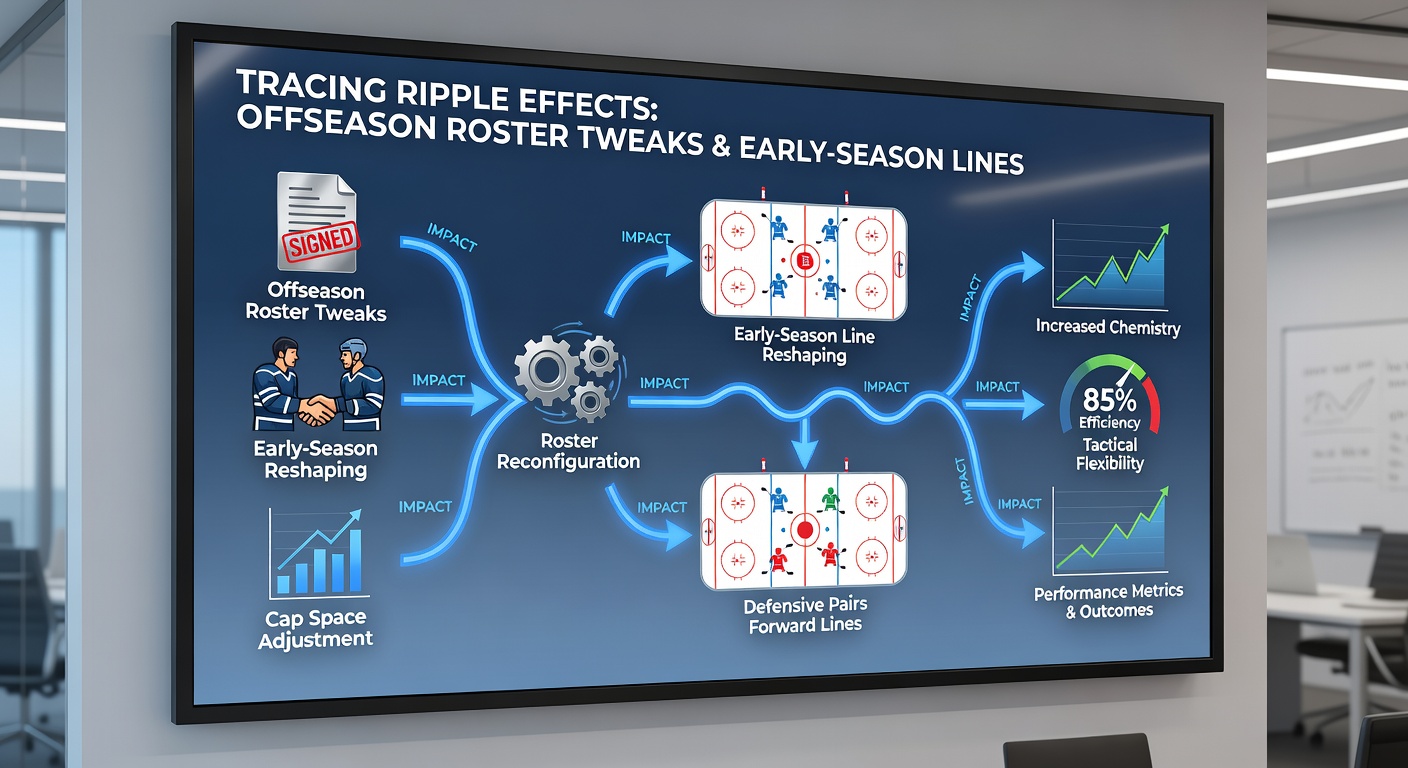
Cross-sport comparisons highlight shared mechanisms despite differing rulesets. Basketball spacing improvements from new shooters mirror soccer width creation from added fullbacks, and both developments increase scoring variance in early contests. Market makers incorporate these variables into algorithms that update lines overnight following confirmed roster announcements, producing incremental shifts that accumulate before the season begins.
Data Sources and Verification Methods
Statistics from NBA official tracking databases provide granular detail on how individual player substitutions alter team pace and efficiency during the first quarter of the season. Parallel information drawn from UEFA performance reports tracks comparable metrics across top European leagues, showing how transfer-window activity correlates with goal-scoring rates in September and October fixtures. Academic studies published by university sports science departments validate these observations through regression analysis of multi-year datasets, confirming that roster composition accounts for measurable portions of early-season outcome variance.
Conclusion
Offseason roster modifications continue to generate detectable ripple effects across basketball and soccer betting markets well into the opening months of competition. Tracking services that aggregate player-tracking data and transfer records allow market participants to identify these influences before lines fully stabilize. As additional seasons unfold, the same patterns are expected to recur whenever front offices execute meaningful personnel changes during the summer period.