Travel Fatigue Effects on Squad Rotations During Condensed Football Fixtures
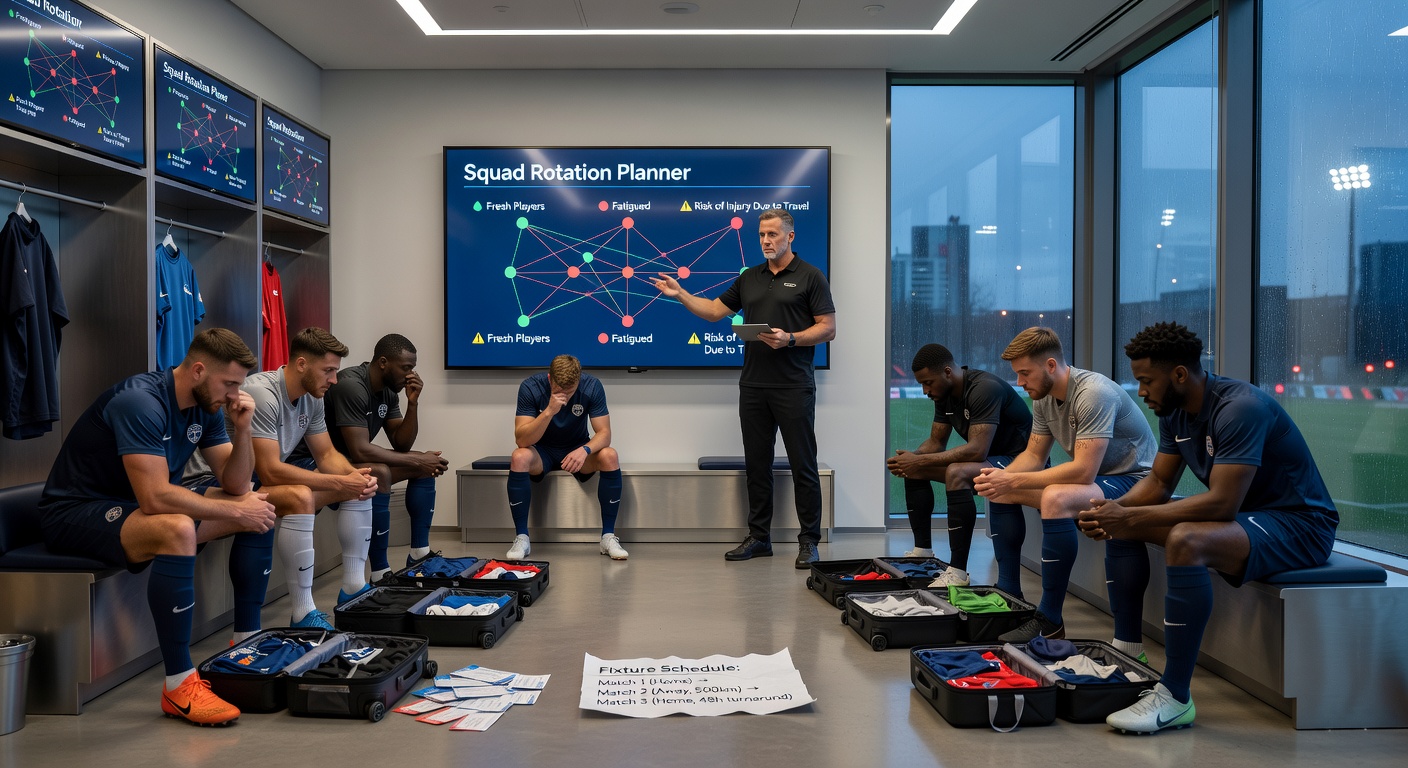 Travel across multiple time zones combined with back-to-back matches creates measurable strain on elite football squads, and data from performance tracking systems show clear links between journey duration and the frequency of player rotations. European clubs competing in domestic leagues plus continental tournaments often face fixture lists that compress recovery windows to less than seventy-two hours, forcing coaches to adjust line-ups more aggressively than in standard schedules. Studies tracking heart-rate variability and GPS workload metrics indicate that flights exceeding four hours correlate with elevated fatigue scores in the forty-eight hours following arrival, prompting managers to rest key players who logged high minutes in the previous fixture.
Understanding the Physiological Load
Long-haul travel disrupts circadian rhythms and reduces sleep efficiency, while the additional burden of airport procedures and bus transfers compounds overall energy expenditure. Research conducted by sports science teams at the Australian Institute of Sport demonstrates that athletes crossing more than three time zones exhibit slower reaction times and reduced repeated-sprint ability for up to five days, even when they report feeling recovered. In condensed periods such as the run-in to major international tournaments or the winter schedule in northern Europe, these decrements accumulate because clubs rarely receive extended breaks between rounds.
Coaches therefore rely on squad depth to distribute minutes across a larger group of players. Midfielders and full-backs, who typically cover the greatest distances per match, appear in rotation data more often than goalkeepers or centre-backs during such windows. Performance analysts at clubs in the English Premier League and Bundesliga have documented that teams averaging more than 1,800 kilometres of travel per week increase the number of starting XI changes by an average of 2.3 players compared with lower-travel weeks.Fixture Congestion Patterns in 2026
June 2026 marks the opening of the FIFA World Cup in North America, and national federations have already adjusted domestic calendars to accommodate preparation camps that involve intercontinental travel for many European-based players. Several confederations released revised league schedules in late 2025 showing clusters of three matches inside ten days immediately before international windows, a pattern that amplifies the rotation demands observed in previous tournament cycles. Data released by UEFA’s medical unit reveal that clubs participating in both league and European fixtures during April and May 2025 recorded rotation rates 18 percent higher than non-European competitors, with the gap widening further when travel distance exceeded 2,000 kilometres between fixtures.
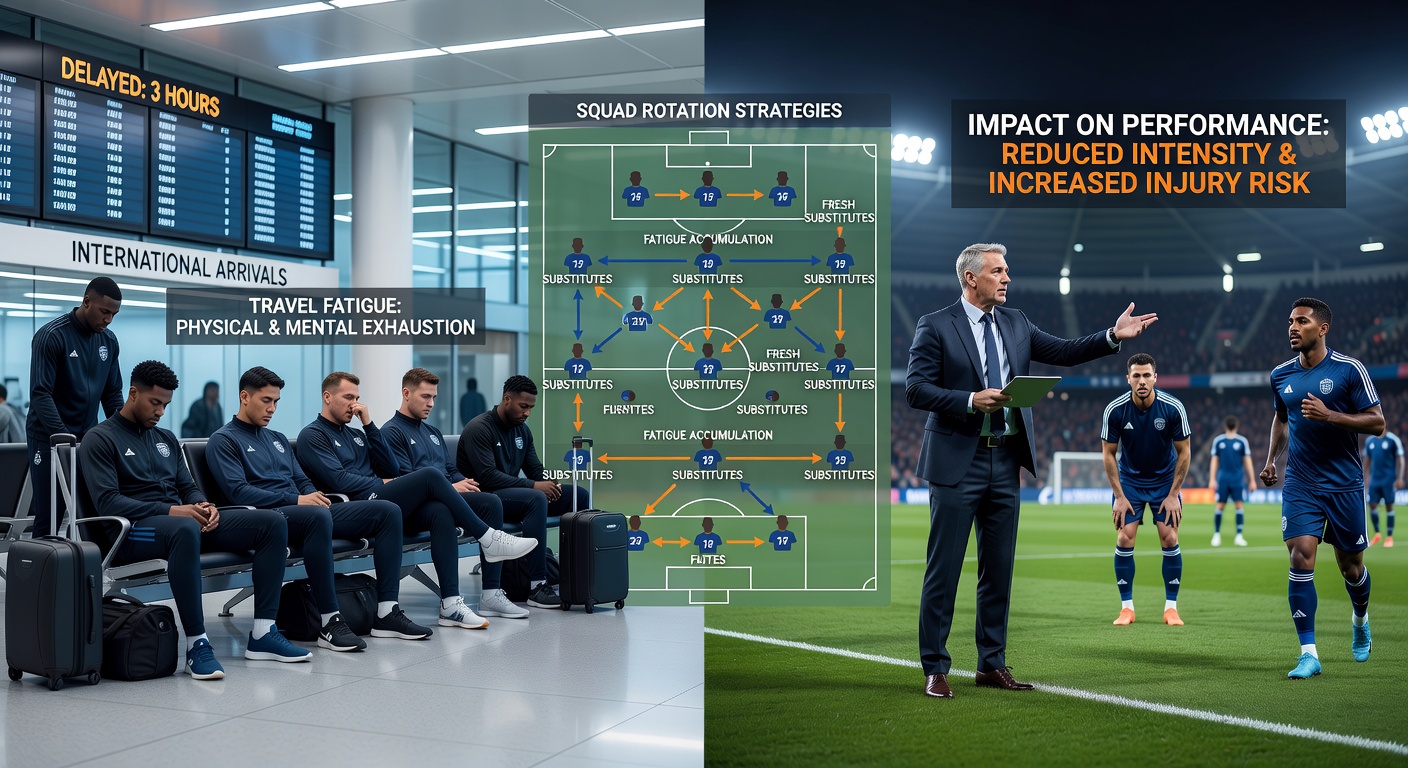
Rotation Strategies Across Different Leagues
Italian Serie A sides have historically managed travel fatigue by prioritising recovery protocols over long-distance training camps, whereas clubs in the CONMEBOL Libertadores often face even greater logistical challenges because of vast domestic geographies and variable flight connections. Argentine and Brazilian teams competing in both domestic leagues and the continental tournament frequently rotate entire defensive units after trips exceeding six hours, according to match reports compiled by Opta. In contrast, Major League Soccer franchises in North America have adopted earlier substitutions and midweek rest mandates during their own condensed summer schedules, citing internal GPS datasets that link cumulative travel load to increased soft-tissue injury incidence.
Coaches also monitor subjective wellness questionnaires alongside objective markers such as creatine kinase levels. When both indicators flag elevated fatigue, managers tend to select players who remained at home during the previous away fixture, thereby preserving squad freshness for the next high-stakes encounter. This approach appears consistently across match logs from the UEFA Champions League group stages, where clubs from northern Europe travelling to southern venues show higher rotation percentages than teams facing shorter domestic journeys.Impact on Match Outcomes and Tactical Adjustments
Statistical reviews of matches played within seventy-two hours of long-haul flights indicate a measurable decline in high-intensity running distance during the final twenty minutes, prompting tactical shifts toward more conservative pressing structures. Teams that rotate at least four players after significant travel maintain closer to their season-average pressing intensity than sides that retain the same starting eleven. Analysts note that these adjustments become particularly visible in tournaments where knockout ties follow group-stage travel, because the cost of a single under-recovered performer can eliminate an entire campaign.
Conclusion
Travel fatigue during condensed football schedules drives measurable increases in squad rotation as clubs seek to mitigate performance decrements and injury risk. Objective workload data, combined with fixture calendars that show repeated short recovery windows, demonstrate that rotation frequency rises in direct proportion to cumulative travel load. Teams that integrate physiological monitoring with proactive squad management maintain more consistent output across congested periods, while those that overlook these factors encounter elevated rates of underperformance in the latter stages of matches. As international calendars continue to feature clustered fixtures ahead of events such as the 2026 World Cup, the relationship between travel demands and rotation decisions remains a central factor in modern squad planning.